
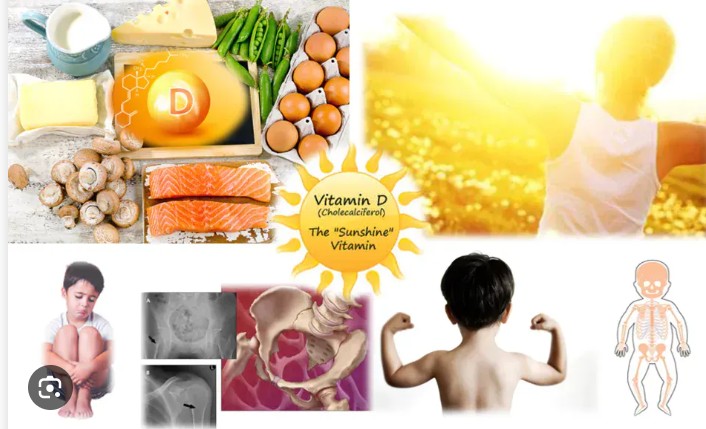
Vitamin D is a fat-soluble vitamin essential for calcium absorption, bone health, and proper immune function. It is mainly produced in the body through sunlight exposure and can also be obtained from certain foods and supplements. Vitamin D deficiency is common worldwide due to factors such as limited sun exposure, poor diet, and underlying health conditions. If left untreated, it can lead to significant health problems.
What is Vitamin D Deficiency?
Vitamin D deficiency is a medical condition where the level of vitamin D in the blood is lower than the amount required for normal bone metabolism, calcium absorption, and overall body function. Vitamin D status is usually assessed using serum 25-hydroxyvitamin D [25(OH)D] levels.
Classification:
- Vitamin D Deficiency: Serum 25(OH)D level < 20 ng/mL ( < 50 nmol/L )
- Vitamin D Insufficiency: Serum 25(OH)D level 21–29 ng/mL (50–75 nmol/L)
Causes of Vitamin D Deficiency
1. Lack of Sunlight Exposure
- Limited outdoor activity
- Wearing clothing that covers most of the body
- Use of sunscreen (reduces UVB synthesis)
- Living in urban/high-pollution environments
2. Poor Dietary Intake
- Low consumption of vitamin D–rich foods (fatty fish, egg yolk, fortified milk)
- Vegetarian or restricted diets without supplementation
3. Malabsorption Conditions
- Celiac disease
- Crohn’s disease
- Cystic fibrosis
- Bariatric surgery (reduced absorption of fat-soluble vitamins)
4. Chronic Liver or Kidney Disease
- Liver disease reduces conversion to active forms
- Kidney disease reduces formation of active vitamin D (calcitriol)
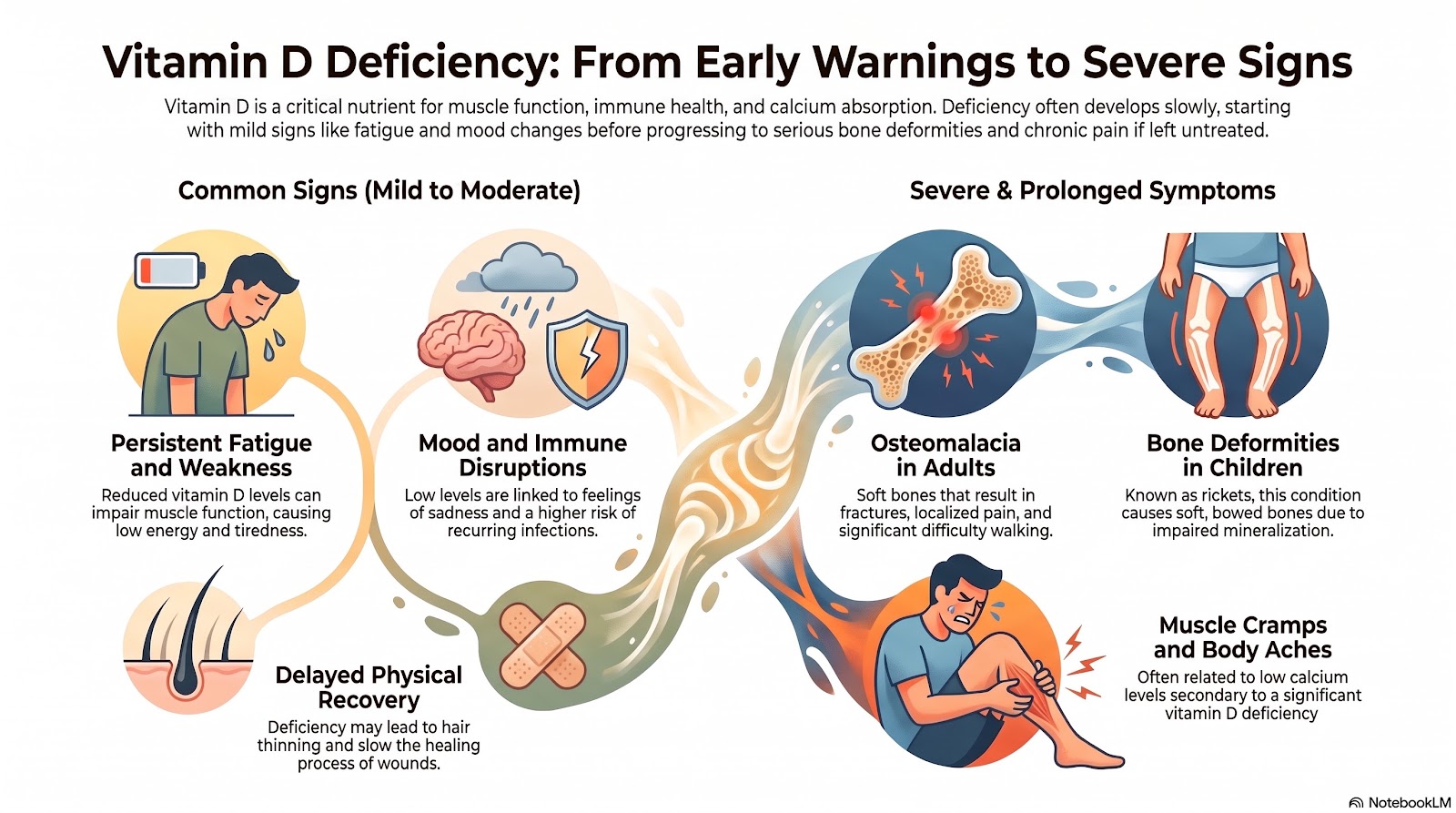
Key warning signs you shouldn’t ignore
Diagnosis
Diagnosis of vitamin D deficiency mainly relies on measuring serum 25-hydroxyvitamin D [25(OH)D] levels, as this test is considered the most accurate and reliable marker for evaluating the body’s vitamin D status.
Treatment and Management
Vitamin D deficiency is preventable through nutrition education and consumption of a healthy diet containing diverse foods, as well as food fortification and supplementation, where needed.
1. Sunlight Exposure-Regular exposure to sunlight stimulates natural vitamin D production in the skin.Exposing the face, arms, or legs for short periods is generally sufficient.
2. Dietary Sources-Increasing the consumption of foods rich in vitamin D may help maintain and improve vitamin D levels in the body. Examples include fatty fish, egg yolks, and fortified foods such as milk and cereals.
3. Vitamin D Supplementation-If adequate levels are not achieved through lifestyle modification, supplementation may be required. The dose depends on the severity of deficiency and individual clinical needs.
Prevention Tips
- Prevention of vitamin D deficiency focuses on maintaining adequate vitamin D levels through healthy lifestyle practices and early identification of individuals at risk.
- Balanced diet - Consuming a well-balanced diet that includes vitamin D–rich foods such as fatty fish, egg yolks, and fortified products helps support optimal levels.
- Adequate sunlight exposure -Regular exposure to sunlight promotes natural synthesis of vitamin D in the skin.
- Regular screening for at-risk groups- Periodic monitoring of vitamin D levels is recommended for individuals at higher risk, including those with limited sun exposure, chronic illnesses, or malabsorption disorders.
Conclusion
Early detection of vitamin D deficiency helps prevent bone and general health problems, making regular check-ups important. Healthy lifestyle habits such as adequate sunlight exposure, a balanced diet, and routine monitoring play a key role in maintaining optimal vitamin D levels. Overall, vitamin D deficiency is common but preventable, and simple daily practices can support long-term health.
References
Mayo Clinic. (n.d.). Vitamin D.https://www.mayoclinic.org/drugs-supplements-vitamin-d/art-20363792
Johns Hopkins Medicine. (n.d.). Vitamin D. https://www.hopkinsmedicine.org/health/conditions-and-diseases/vitamin-d
MedlinePlus. (n.d.). Vitamin D. U.S. National Library of Medicine. https://medlineplus.gov/vitamind.html
National Institutes of Health, Office of Dietary Supplements. (n.d.). Vitamin D fact sheet for health professionals. https://ods.od.nih.gov/factsheets/VitaminD-HealthProfessional/
U.S. Department of Health and Human Services & U.S. Department of Agriculture. (2020). Dietary guidelines for Americans, 2020–2025. https://www.dietaryguidelines.gov
World Health Organization. (n.d.). Micronutrients. https://www.who.int/health-topics/micronutrients
Endocrine Society. (n.d.). Vitamin D clinical practice guidelines. https://www.endocrine.org/clinical-practice-guidelines/vitamin-d
Quest Diagnostics. (n.d.). Vitamin D testing. https://www.questdiagnostics.com/test-center/test-guide/vitamin-d
About the author
M.H.F.Nuha is a Medical Laboratory Science graduate with a strong interest in clinical research and medical writing. She specializes in translating complex medical information into clear, evidence-based content for both healthcare professionals and the general public.Through her writing, she aims to help people recognize early health signs and take proactive steps toward better well-being.


No comments:
Post a Comment