
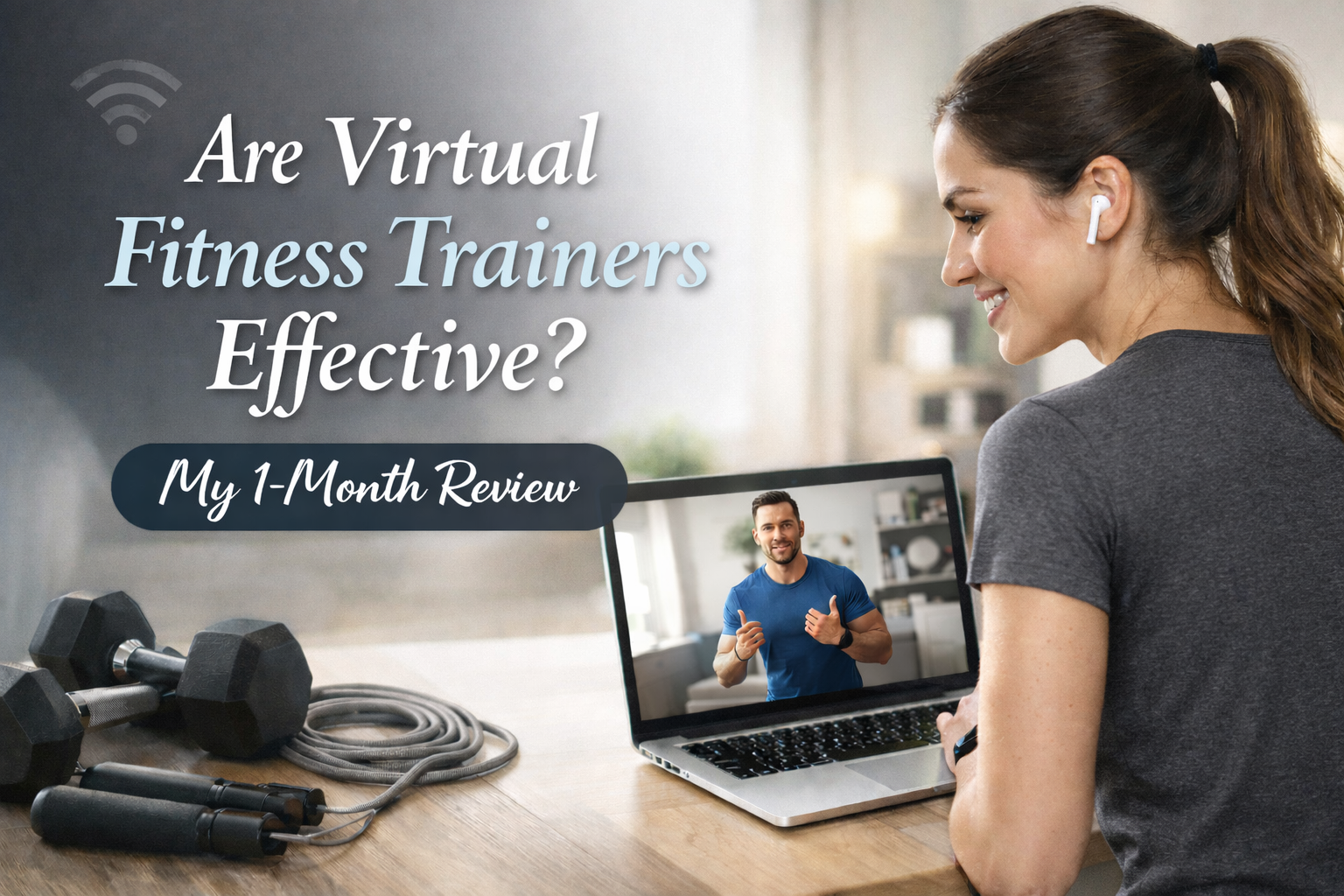
Source: ChatGPT
A few years ago, the idea of working out with a trainer through a screen would have sounded strange to me. Fitness, in my mind, meant physical presence, someone correcting your posture, counting repetitions, and motivating you. However, like many others, I gradually transitioned to virtual fitness trainers, first out of curiosity, and later out of convenience.
The question that followed naturally was:Are virtual fitness trainers actually effective? Can a screen really replace a real trainer?
After a month of using virtual trainers, experimenting with apps, live sessions, and AI-based coaching, I have realised that the answer is not a simple yes or no. Virtual fitness training can be highly effective, but only under the right conditions.
Why I Chose Virtual Fitness Training
My decision was not random; rather, it was influenced by three common issues:
-
Insufficient time to frequently visit the gym.
-
Inconsistent workout routine.
-
Rising cost of personal trainers.
Virtual fitness seemed like a practical solution. I could access structured exercise plans at any time with just a smartphone and an internet connection.
My 1 Month Experience with Virtual Fitness Trainers
Over the past month, I followed a structured routine guided by my virtual fitness trainer. Here’s how it worked:
-
Pre-recorded sessions
These included guided video sessions focusing on strength, cardio, breathing exercises, and flexibility. They were simple and convenient to follow, but often lacked personal guidance based on specific needs.
-
Live Virtual Training
This was the most similar to in-person training. The coach could monitor our movements, encourage us to work at our own pace, and correct our form in real time, making the sessions more engaging and effective.
-
App-Based Coaching
Many fitness apps design customised workout plans based on our goals and track our progress consistently. They also send reminders, including short quizzes, to make the journey more engaging and motivating, which ultimately helps us to be consistent and committed to our routine.
The Benefits I Noticed
-
Accessibility and Affordability
Virtual fitness training makes staying active easier and more affordable than ever. Anyone can start their exercise journey at home with minimal equipment and a smartphone. Online coaching provides affordable programs that make professional instruction available to a lot of people, unlike expensive gym memberships or personal trainers.
-
Structured Workouts Gave Direction
Previously, my workouts felt unstructured, with no clear purpose or plan. I frequently switched exercises without knowing their purpose. Virtual trainers used an organised approach in each session, focusing on strength, endurance, and rehabilitation. This precise direction not only increased my performance but also made each workout more efficient and purposeful.
The Limitations You Can’t Ignore
-
Lack of Real-Time Form Correction
One significant disadvantage of virtual training is the lack of quick, hands-on feedback. Without a trainer physically present, small mistakes in posture or technique can go unnoticed. Over time, this can affect performance and even increase the risk of injury if not corrected early.
-
Motivation Challenges
Staying motivated can be difficult when working out alone. Unlike a gym environment or in-person trainer, there’s less external push and energy. On low-energy days, skipping workouts becomes easier, making self-discipline a key factor in maintaining consistency.
Final Thoughts
After a month of using virtual fitness trainers, one thing became clear: they are effective but not for everyone. If you are self-disciplined, motivated, and open to learning, virtual fitness can be highly effective. It brings flexibility and affordability that traditional training often struggles to match.
However, if you rely heavily on motivation or are just starting your fitness journey, this approach may feel more challenging. Ultimately, the success of virtual fitness isn’t about the technology; it is about you.
A screen can guide, track, and encourage, but it cannot replace your effort. The trainer may be virtual, but the effort has to be real.


No comments:
Post a Comment